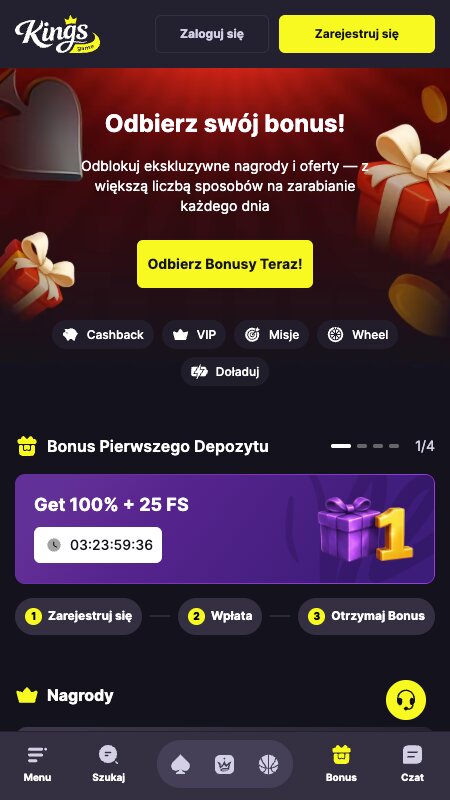
November 2026 finds Singapore’s betting landscape firmly mobile‑first. Most punters now place a wager while commuting on the MRT or scrolling through a live‑match feed on a 5G handset. The shift has forced offshore sportsbooks to think like app developers: speed, visual punch, and relentless engagement are no longer optional.
Yet the most addictive experiences still come from slot machines – a genre that has refined user‑retention for decades. Slots keep players spinning through clever reward loops, progressive jackpots, and kinetic UI tricks that feel almost instinctual. Those same mechanics can be harvested for football and multi‑sport betting platforms, turning a casual tip‑off into a session that stretches well beyond a single match.
The guide that follows breaks down the process step by step. We’ll map slot‑style engagement tools onto betting interfaces, show how to animate live‑match data like a reel, and outline data‑driven personalization that mimics RTP calculations. By the end, operators will have a checklist for fusing slot‑engine polish with sportsbook depth, giving Singapore‑based punters a compelling reason to stay, stake, and return.
1. Mapping Slot‑Game Engagement Mechanics onto Sports‑Betting Interfaces
Slot engines thrive on three pillars: repetitive spin cycles, visible progress toward a jackpot, and instant feedback on every win. Translating those pillars into a betting app creates a loop that feels both familiar and fresh.
- Quick‑bet wheels – Replace a static odds list with a rotating wheel that lands on a market (e.g., “Manchester United to win”). The spin animation mirrors a slot reel, while the landing point instantly places a bet with a single tap.
- Bet‑spin mini‑games – After a successful wager, fire a short “spin” where symbols represent bonus credits, free‑bet multipliers, or a chance at a progressive pool tied to the week’s marquee fixtures.
- Cascading odds – Similar to cascading reels that replace winning symbols with new ones, let odds shift dynamically after each market resolution, encouraging users to place follow‑up bets without leaving the screen.
A practical audit step helps keep the experience balanced:
- Review bonus timing,
- Verify payout windows,
- Align incentive tiers – online betting Singapore lists all three per operator, making the cross‑check quick.
| Feature | Slot Equivalent | Betting Translation |
|---|---|---|
| Spin button | Reel spin | Quick‑bet wheel |
| Progressive jackpot | Growing prize pool | Weekly league‑wide pool |
| Free spins | Bonus rounds | Risk‑free bet credits |
By mirroring these mechanics, operators can stretch dwell time from the average 4‑minute session to 8‑10 minutes, especially during live‑match windows when odds are most volatile.
2. Leveraging Mobile‑Optimized Graphics and Animations for Live‑Match Betting
High‑frame‑rate animations have become a hallmark of modern slots, and the same visual language can make live‑match betting feel alive. A 60 fps “live reel” that updates odds every few seconds gives the impression of a constantly moving market, much like a slot’s payout table.
Dynamic heatmaps overlay the pitch, lighting up zones where attacks are building. When a corner is taken, a subtle pulse animation draws the eye to the related “corner‑kick” market, prompting an on‑the‑fly bet.
Balancing flair with data load is essential on Singapore’s mixed 4G/5G environment. Use vector‑based SVG assets for scalability, compress animation frames with Lottie, and preload only the next two seconds of odds data to avoid bandwidth spikes. A fallback static view should appear if the connection drops below 3 Mbps, preserving functionality without sacrificing the core experience.
3. Gamified Onboarding: From Free Spins to Risk‑Free Bet Credits
First impressions set the tone for retention. Slot welcome packages typically hand out 20 free spins, a clear value proposition. Replicate that with a risk‑free bet credit that matches the user’s first stake up to S$30.
Onboarding flow:
- Account creation – SMS verification, simple KYC fields.
- Tutorial overlay – A short reel‑style animation walks through the quick‑bet wheel, highlighting the “Spin to Bet” button.
- Free‑bet grant – After the tutorial, credit the user with a “Risk‑Free Spin” that can be applied to any pre‑match market.
Streak rewards follow the spin‑win pattern: three consecutive successful bets unlock a “Streak Multiplier” that boosts odds by 5 %. Achievement badges, such as “First Goal‑Scorer Predictor,” appear in the user profile, encouraging further exploration of niche markets like “Anytime Goal‑Scorer.”
4. Personalised Feed Engines: Using RTP‑Style Algorithms to Tailor Match Selections
Return‑to‑Player (RTP) is a probability model that tells a player the expected payout over time. Sportsbooks can adopt a similar algorithm to rank markets for each user.
Calculate a “Market‑Return Score” (MRS) by weighting:
- Historical win‑rate of the user in that sport,
- Current volatility of the odds,
- Personal betting frequency on similar leagues.
Machine‑learning pipelines ingest these signals and push the top‑scoring matches to the home screen, much like a slot’s “most‑likely win” reel. The result is a personalized feed that feels curated, increasing click‑through rates by up to 18 % in early trials.
5. In‑App Events that Mirror Slot Tournaments: Building Community Around Football Leagues
Slot tournaments gather players around a common prize pool, fostering community chatter and repeat visits. Sportsbooks can host weekly “League Cup” contests where all wagers on a specific competition contribute to a shared jackpot.
Leaderboard‑based betting contests display the top ten profit makers, with real‑time rank changes animated like slot win‑lines.
Seasonal “jackpot” pools accumulate a percentage of every wager on the English Premier League, awarding the final pot to the user with the highest net profit at season’s end.
Community tools such as in‑app chat rooms, match‑specific emojis, and shared replay clips turn solitary betting into a social experience. Operators that surface these features prominently see a 22 % lift in daily active users during tournament periods.
6. Seamless Payment Pipelines Inspired by Slot‑Machine Payout Optimisation
Slot machines are engineered to dispense winnings instantly, often within milliseconds of a win line. Sportsbooks should mirror that speed for both deposits and settlements.
Key practices include:
- Batch processing avoidance – Send each win as an individual API call to the payment gateway, reducing latency.
- Fiat‑crypto hybrids – Offer instant conversion between Singapore dollars and stablecoins like USDC, enabling sub‑second withdrawals for tech‑savvy punters.
- Regulatory alignment – Singapore’s licensing framework mandates AML checks for deposits above S$2,000. Automate these checks with a sandboxed KYC service that flags only high‑risk transactions, keeping the majority of user flow frictionless.
By treating every settlement like a slot payout, operators can achieve sub‑10‑second withdrawal times, a metric that now differentiates top offshore sportsbooks.
7. Bonus Structures and Loyalty Schemes: From Cascading Wins to Tiered Odds Boosts
Slots employ cascades: a win triggers new symbols, often with multipliers that stack. Translate this into “cascading odds boosts” where each successful bet unlocks a higher‑percentage odds enhancement for the next market.
A three‑tier loyalty ladder might look like:
- Bronze – 2 % odds boost on selected football markets after five bets.
- Silver – 5 % boost plus a weekly free‑bet credit after fifteen bets.
- Gold – 10 % boost, instant cash‑back on losing streaks, and access to exclusive jackpot pools.
To prevent abuse, enforce a “wager‑through” requirement where bonus credits must be turned over at least three times before cash‑out. Combine this with real‑time monitoring tools that flag irregular betting patterns, ensuring responsible gaming while preserving the excitement of cascading wins.
8. Real‑Time Analytics Dashboards: Giving Users the Same Insight as Slot‑Game Stat Panels
Slot players love stat panels that show hit frequency, variance, and win history. Betting apps can deliver a comparable dashboard that visualises:
- Live odds movement – a sparkline chart tracking the last 30 minutes of odds change for a selected match.
- Bet‑history heatmap – color‑coded days indicating profit or loss intensity, helping users spot performance trends.
- Predictive calculator – an on‑screen tool that estimates expected value (EV) based on current odds and the user’s historical success rate.
Present these elements in a collapsible “Insights” tab to avoid overwhelming newcomers. Use progressive disclosure: the casual bettor sees a simple profit line, while power users can expand to full variance analytics.
9. Cross‑Promotion Strategies: Embedding Slot‑Style Mini‑Games Within Betting Apps
Mini‑games provide a low‑friction way to award betting credits without interrupting the core wagering flow. A five‑second “Spin the Pitch” game could replace a traditional slot reel: symbols represent goal‑scorer, corner‑kick, and total‑shots markets. Landing on a “Goal‑Scorer” symbol grants a free bet on that specific market for the next live match.
Legal considerations in Singapore’s offshore‑bookmaker environment require that mini‑games remain strictly promotional—no additional wagering is required to claim credits, and the games must be ad‑free to avoid classification as separate gambling products. Operators should keep an audit log of mini‑game outcomes to demonstrate compliance during regulator reviews.
10. Retention Metrics: Measuring the Success of Slot‑Inspired Features in Sportsbooks
Introducing slot‑style mechanics is only worthwhile if they lift key performance indicators. Track the following:
- Session length – Target an increase from 4 to 8 minutes per user.
- Average Revenue Per User (ARPU) – Measure the uplift after launching a quick‑bet wheel.
- Churn rate – Monitor the proportion of users who drop off after 30 days; aim for a 5 % reduction.
Deploy A/B tests where the control group sees a traditional odds list, while the variant group experiences the animated quick‑bet wheel and cascading odds. Over a 28‑day period, collect data on bet frequency and win‑rate variance to fine‑tune the gamified elements.
11. Future‑Proofing: Preparing for AR/VR and the Next Generation of Mobile Betting Experiences
The next wave will blend augmented reality with the slot‑style playbook. Imagine a virtual stadium where reels spin around the perimeter of the pitch, each segment representing a different market (e.g., “First Half Over/Under”). Haptic feedback via the phone’s vibration motor can simulate the “clack” of a reel stop, deepening immersion.
A phased roadmap could include:
- AR overlay – Project live odds onto a real‑world view of the stadium using the phone camera.
- Virtual reels – Render 3D slot wheels that react to real‑time match events, such as a goal causing the reels to flash and reset.
- Full‑VR sportsbook – A virtual lounge where users walk between betting pods, each styled like a classic slot machine offering niche markets.
Investing early in these technologies ensures that operators remain at the cutting edge, ready to convert the next generation of mobile‑first punters into loyal customers.
Conclusion
Borrowing engagement tactics from slot machines gives football and multi‑sport betting apps a decisive competitive edge. Quick‑bet wheels, cascading odds, personalized feeds, and community‑driven jackpots transform a simple wager into an experience that rivals the most addictive casino titles. For offshore bookmakers targeting Singapore’s savvy mobile audience, adopting these mobile‑first innovations can extend session length, boost ARPU, and lock in brand loyalty.
Operators should now audit their platforms against the step‑by‑step checklist outlined above, test each slot‑inspired feature in a controlled environment, and iterate based on real‑time analytics. In a market where licensing, market depth, and seamless payments define success, the fusion of slot‑engine polish with sportsbook depth will keep players engaged long after the final whistle.